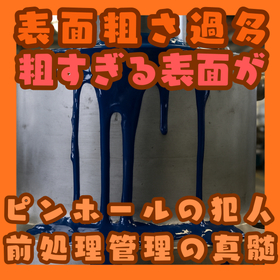
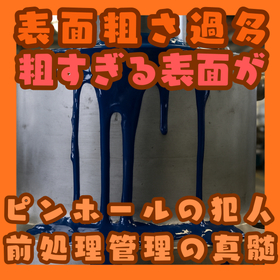
The peeling of paint is not just a problem with the paint itself, but is determined by the accumulation of degreasing, cleaning, and drying processes.
■Cause of Occurrence: Paint peeling is a defect that tends to be discovered during the assembly process at the customer's site. Even if the surface is clean at the time of delivery, it can peel off due to bolt tightening or friction during transport. The three processes to check are whether the degreasing has effectively removed oil, whether there are any residues left after cleaning, and whether moisture has been eliminated during drying. If any one of these processes fails, the adhesion strength will decrease.
■Truth: Peeling is not an issue that occurs at the moment of painting, but rather a defect that surfaces later due to inadequate pretreatment. Changing the paint or curing conditions will not resolve the issue if oil or moisture remains. The adhesion conditions differ for aluminum, iron, and zinc plating.
■Improvement Measures: Instead of only addressing the areas that have peeled, it is important to revert to the state before painting and manage records of oil content, surface roughness, chemical conversion coating, drying conditions, and storage time. Treating pretreatment as the entry point for quality assurance is crucial. Please utilize documentation that allows you to verify pretreatment, film thickness, and curing conditions.